



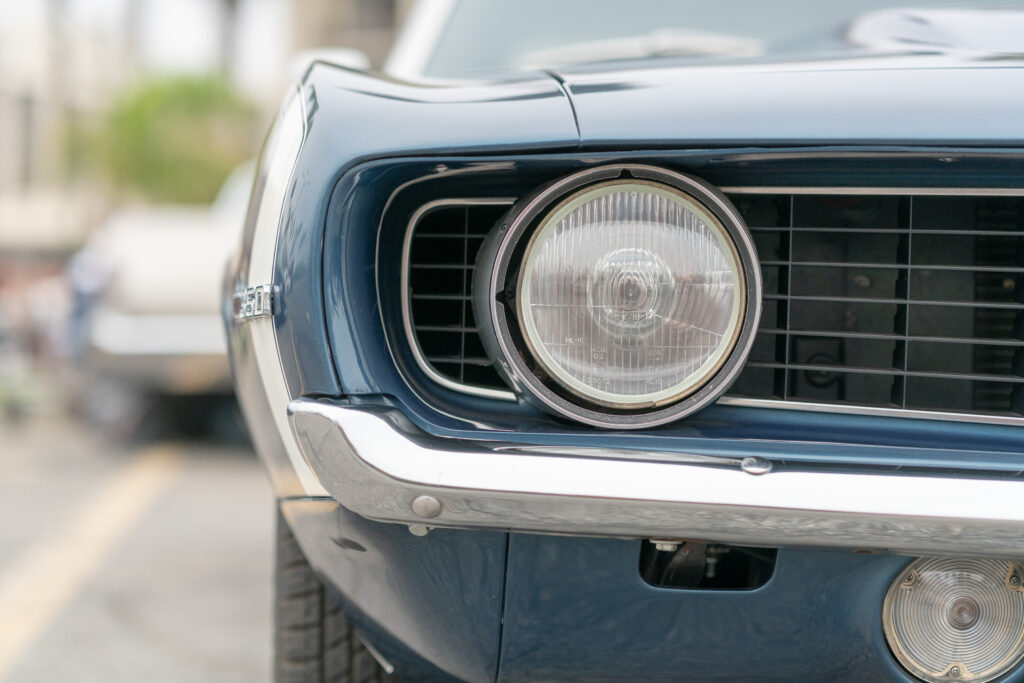
Purchasing an old car can be an exciting experience, offering the opportunity to own a piece of automotive history. However, it is essential to approach the process with caution and be prepared for the challenges that come with owning an older vehicle. This article will provide a comprehensive guide to buying an old car, ensuring you make a well-informed decision.
- Research: Conducting thorough research is crucial when considering the purchase of an older car. Focus on learning about the specific make and model that interests you, understanding common issues, parts availability, and maintenance requirements. Being well-informed will help you make a smart purchase and avoid potential pitfalls.
- Inspect for rust: Rust can cause significant damage to a car’s structural integrity and, in some cases, may be expensive or impossible to repair. Carefully inspect the vehicle for signs of rust, particularly in areas such as the undercarriage, wheel wells, and door sills. If extensive rust is found, it may be best to continue your search for a more suitable option.
- Assess the engine: The engine is a critical component of any vehicle, and its condition should be carefully evaluated when purchasing an old car. Look for signs of leaks, listen for unusual noises, and inquire about the vehicle’s maintenance history. A well-maintained engine will help ensure the car’s longevity and reliability.
- Evaluate the transmission: The transmission is another crucial component that should be thoroughly assessed. Test drive the car and pay attention to any issues with shifting gears, slipping, or grinding noises. A problematic transmission can be expensive to repair or replace, so it’s essential to identify any issues before finalising the purchase.
- Examine the suspension and steering: A car’s suspension and steering systems are vital to its handling and overall driving experience. During the test drive, pay attention to how the car handles, whether it pulls to one side or feels unstable during turns. Listen for any clunking or rattling noises, as these may indicate worn or damaged components that need repair or replacement.
- Assess the interior and electrical components: While cosmetic issues may not impact the car’s mechanical performance, the condition of the interior can affect your overall enjoyment of the vehicle. Check for excessive wear and tear, broken switches, and malfunctioning gauges. Test all electrical components, including the lights, windows, and audio system, to ensure everything is functioning properly.
- Review documentation: Request service records and any available documentation pertaining to the car’s history. This information can provide insight into how well the vehicle has been maintained and may reveal any past accidents or significant repairs. Additionally, verify the car’s title is clear and free of any liens or issues that could cause legal complications.
- Consult an expert: If you are not confident in your ability to assess the condition of an old car, consider hiring a professional mechanic or automotive specialist to perform a pre-purchase inspection. Their expertise can help identify potential issues and provide an accurate assessment of the car’s value.
- Set a realistic budget: When purchasing an old car, it’s crucial to set a realistic budget that accounts for not only the initial purchase price but also the cost of necessary repairs, maintenance, and potential restoration work. Older vehicles often require more frequent maintenance and may have higher repair costs due to parts availability and the need for specialised labour. Establishing a budget will help you make a more informed decision and avoid financial strain down the road.
- Consider insurance and registration: Before purchasing an old car, research the insurance and registration requirements in your area. Classic or vintage vehicles may have specific insurance coverage options or require specialised policies. Registration rules for older cars may also differ from those for newer models, so it is essential to understand these requirements to avoid potential issues.
In conclusion, buying an old car can be a rewarding experience for those who appreciate the charm and history that these vehicles offer. However, it is essential to approach the process with caution and be prepared for the challenges that come with owning an older vehicle. By conducting thorough research, inspecting the car carefully, and considering all financial aspects, you can make a well-informed decision and find the perfect vintage ride to enjoy for years to come.